

A Realtor does not need to know how to operate a professional camera to recognize when listing photography is helping—or hurting—the presentation.
That is the purpose of this guide.
After photographing properties for years, I have learned that most weak real estate galleries are not ruined by one dramatic mistake.
They are weakened by several smaller decisions: crooked walls, uncontrolled wide-angle distortion, inconsistent color, clutter, missing connecting shots, artificial editing and a gallery with no visual hierarchy.
This article is not meant to turn Realtors into photographers.
It is meant to help Realtors recognize the difference between a gallery that simply documents a house and a gallery that actually helps someone understand it.
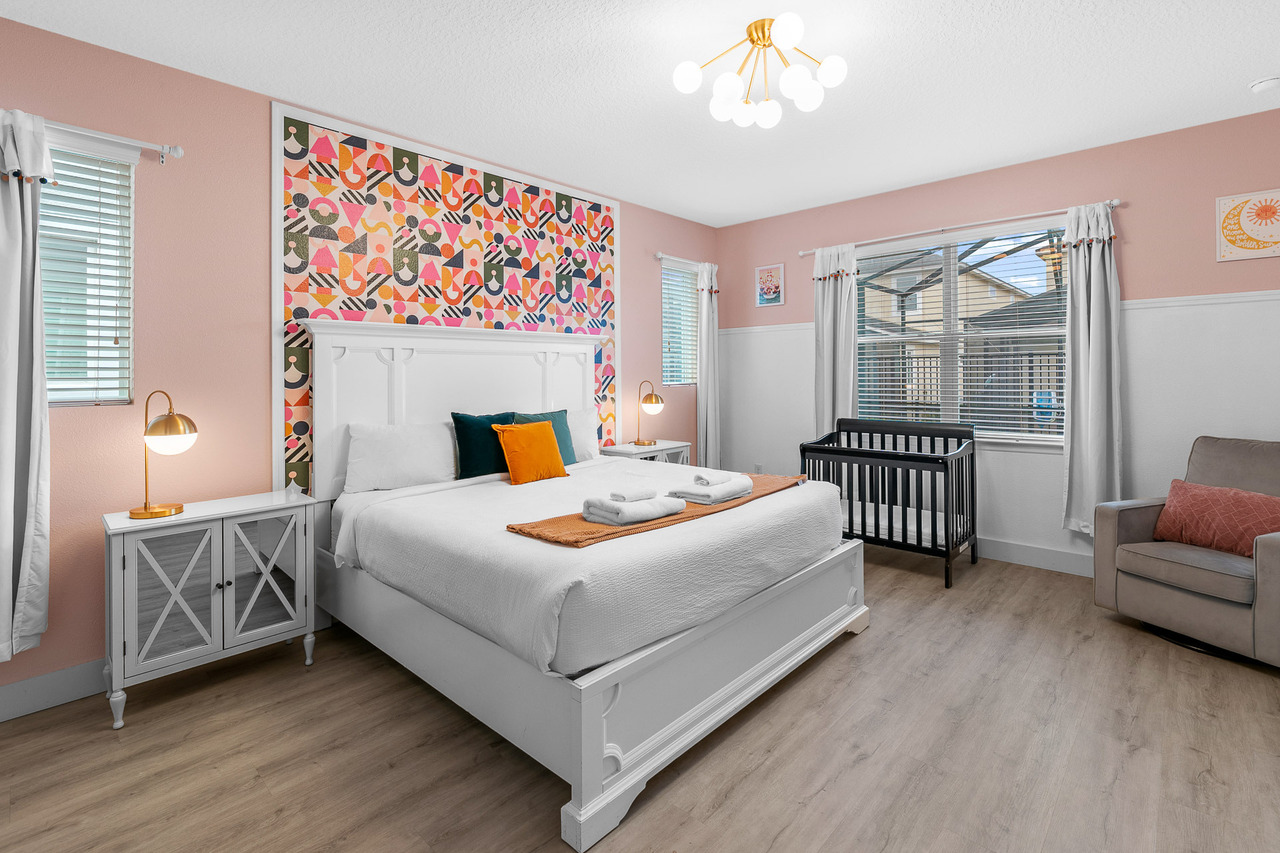
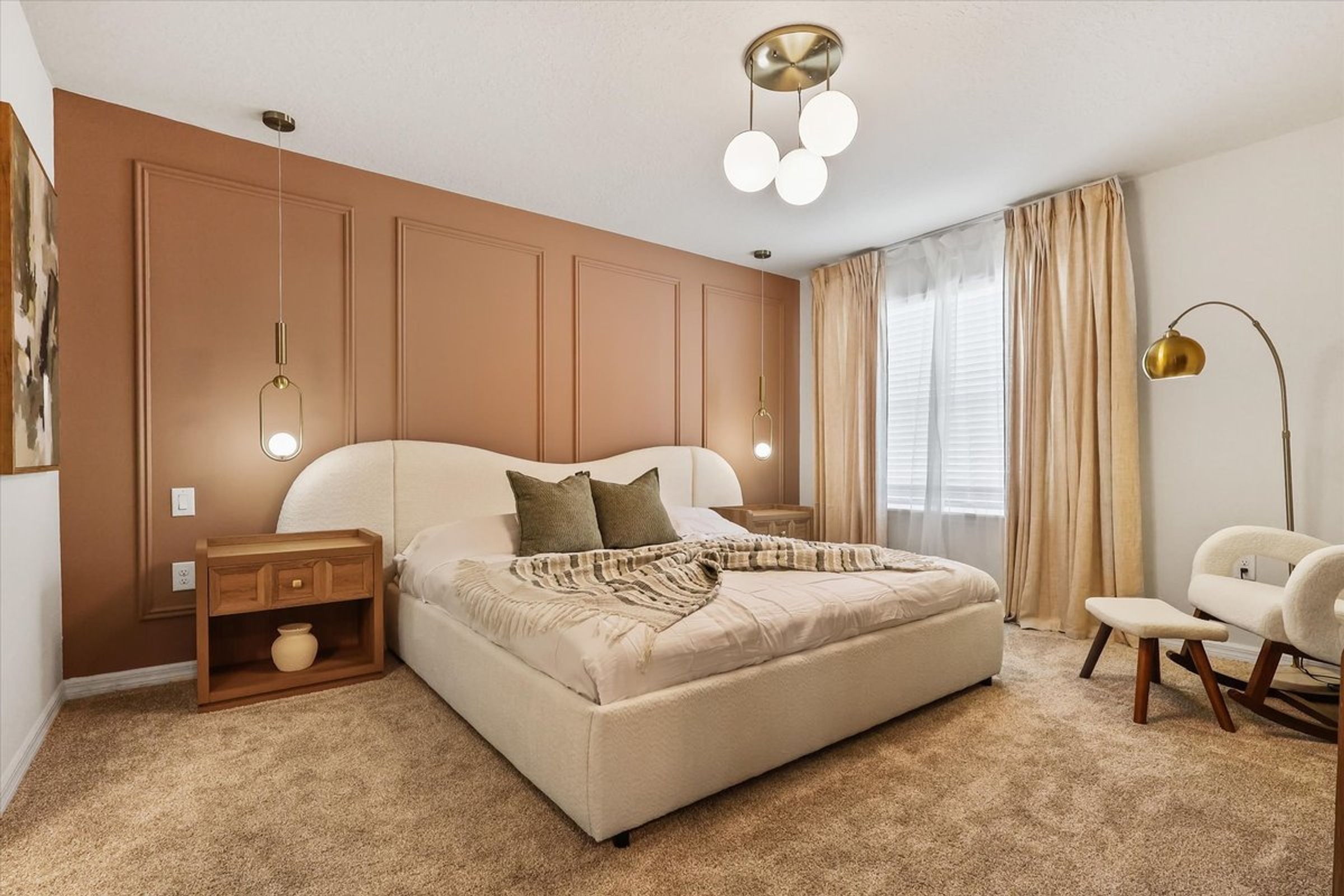 Portfolio example · Windsor Cay, Clermont. Windsor Cay bedroom with a warm paneled accent wall, bedside furniture and window light. The photograph illustrates presentation; it does not establish a sales result.
Before We Talk About Mistakes: What Is the Photography Actually Supposed to Do?
The job is not simply to make the house look attractive.
A useful real estate gallery should help a potential buyer answer basic questions:
- What are the strongest spaces?
- How large do the important rooms feel?
- How do the main spaces connect?
- What is genuinely different about this property?
- What does the indoor-outdoor relationship look like?
- Which features deserve closer attention?
- Where does the property sit within its surroundings?
1. Treating All Light as if It Were the Same Color
A room can be bright and still look visually dirty.
One of the most common interior problems is mixed color temperature.
Daylight may enter through the windows while table lamps are warm, recessed lights are cooler and another fixture is almost orange.
The human eye adapts surprisingly well to that mixture.
A camera’s white-balance setting may not neutralize several light sources at once.
- Warm lamps mixed with cool daylight
- Different bulb colors inside the same room
- Blue windows combined with orange furniture
- White walls that change color from one photograph to another
- Heavy editing attempting to repair lighting that should have been controlled on site
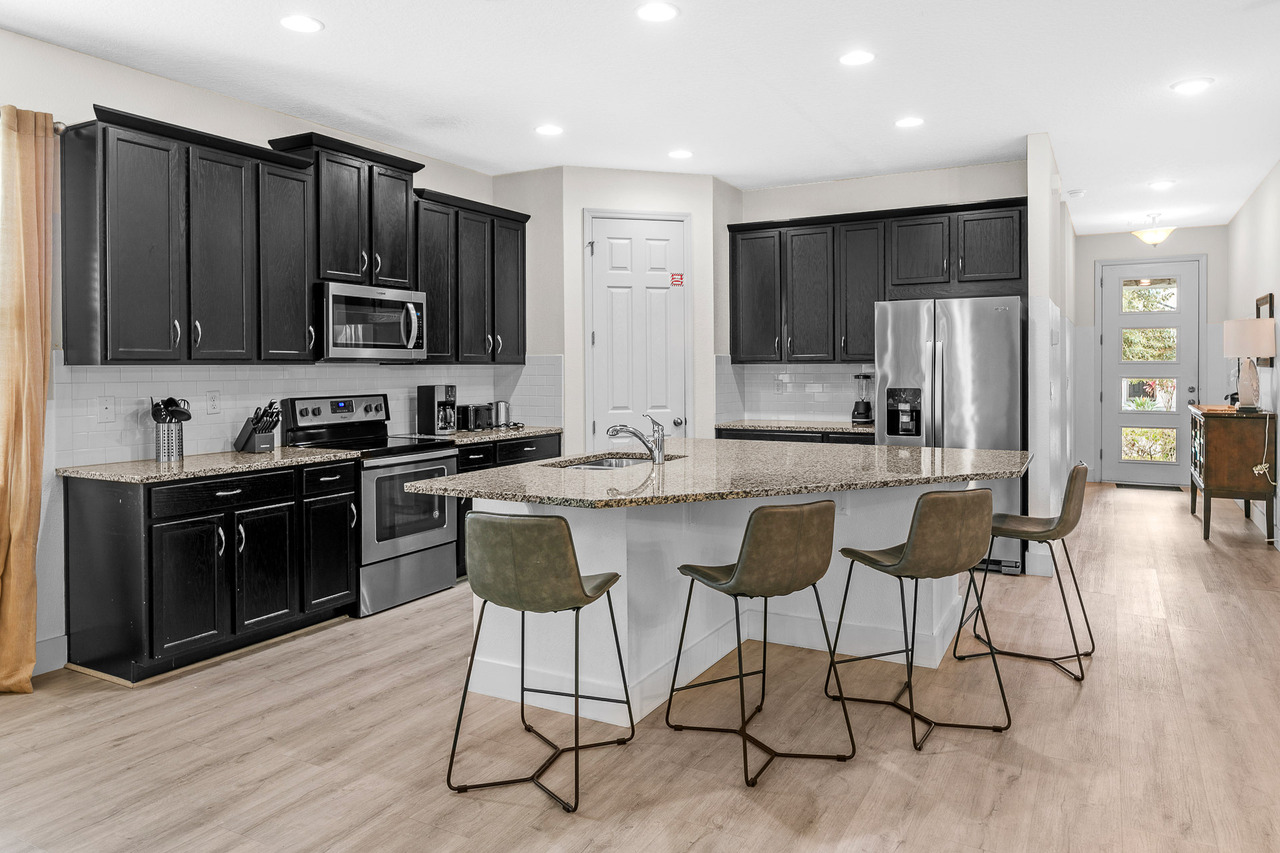 Notice how the goal is not simply maximum brightness. The cabinetry, countertops, flooring and adjoining spaces still need believable color.
Before deciding that every fixture should be turned on, I look at what those fixtures are doing to the room.
Sometimes a lamp improves the atmosphere.
Sometimes it introduces a color problem that is worse than leaving it off.
My goal is not “all lights on.”
My goal is visual consistency.
What a Realtor Can Check
Look through three or four photographs from the same room.
Do the walls suddenly change from neutral to yellow?
Does one corner look blue while another looks orange?
Do the floors or cabinets appear to change color between images?
If so, the issue is not necessarily the house.
It may be the lighting or color workflow.
2. Crooked Verticals and Uncontrolled Perspective
This is one of the easiest mistakes for a Realtor to learn to recognize.
Look at doors.
Look at cabinets.
Look at columns.
Look at the corners where walls meet.
If they appear to fall inward or outward aggressively, the camera perspective was not controlled well.
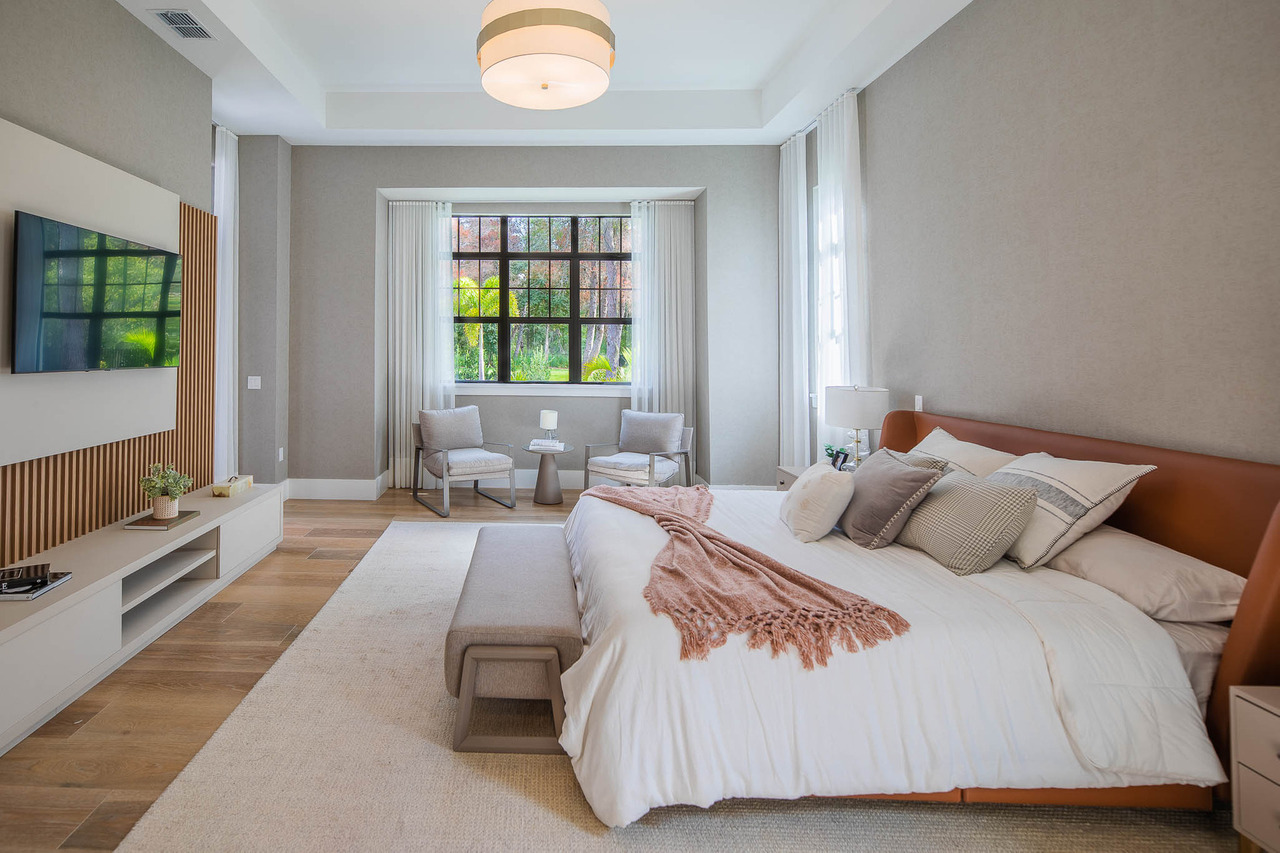 Controlled verticals: the architecture feels stable.
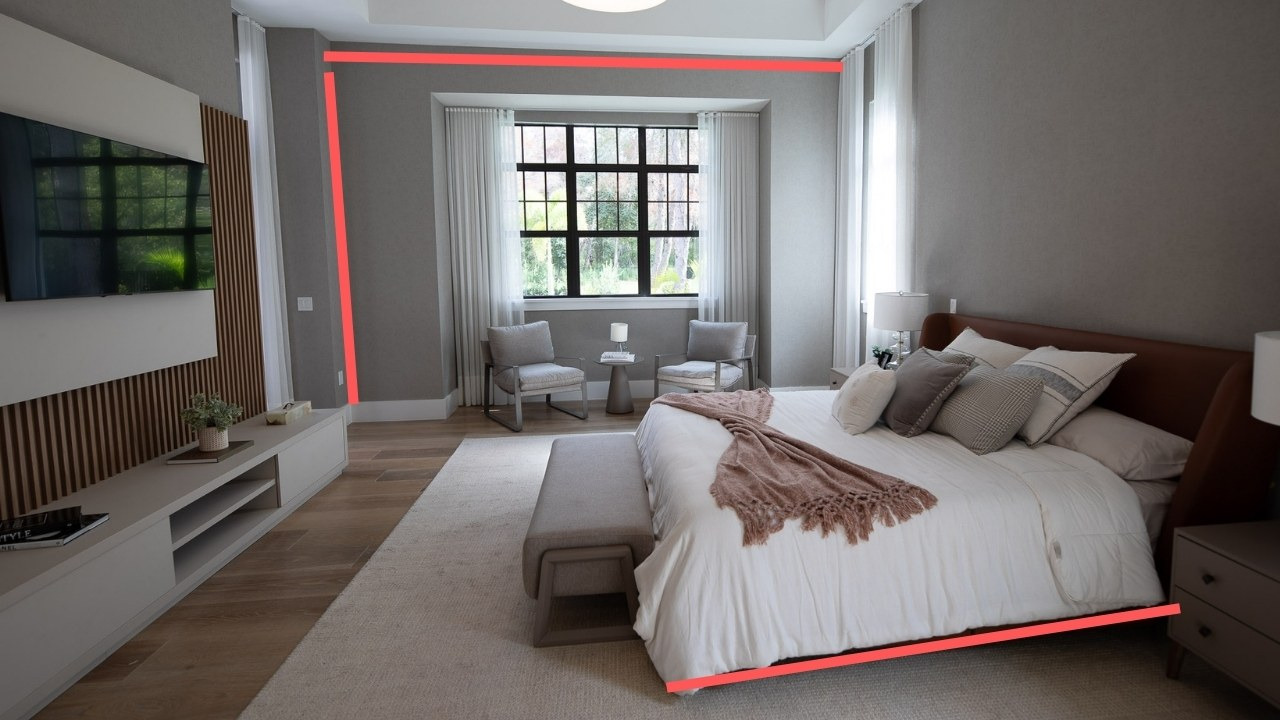 Uncontrolled perspective: the walls appear to fall.
The property should not look like it is leaning.
Real estate photography contains vertical architecture everywhere.
When the camera is tilted too aggressively upward or downward, those lines begin converging.
That can sometimes be an intentional architectural decision.
For standard listing photography, I generally want much more control.
- Choose camera height deliberately
- Keep the camera level when the composition allows
- Correct remaining perspective carefully during editing
- Do not sacrifice the entire composition just to achieve mathematical perfection
Realtor test:
If some rooms feel visually stable and others suddenly appear to be leaning backward, the inconsistency becomes very noticeable.
3. Using the Widest Lens Possible for Every Room
Wide-angle lenses are one of the most useful tools in real estate photography.
They are also one of the easiest tools to abuse.
Showing more is not always explaining more.
A wide lens can help show how a kitchen connects to the living room or how an indoor space opens toward a pool.
But extreme width stretches objects near the edges and can materially change the perception of room size.
- Furniture becomes unusually long near the frame edges
- Small bedrooms begin looking dramatically larger than they feel
- Doorways stretch
- Islands and countertops appear distorted
- Every room starts looking approximately the same size
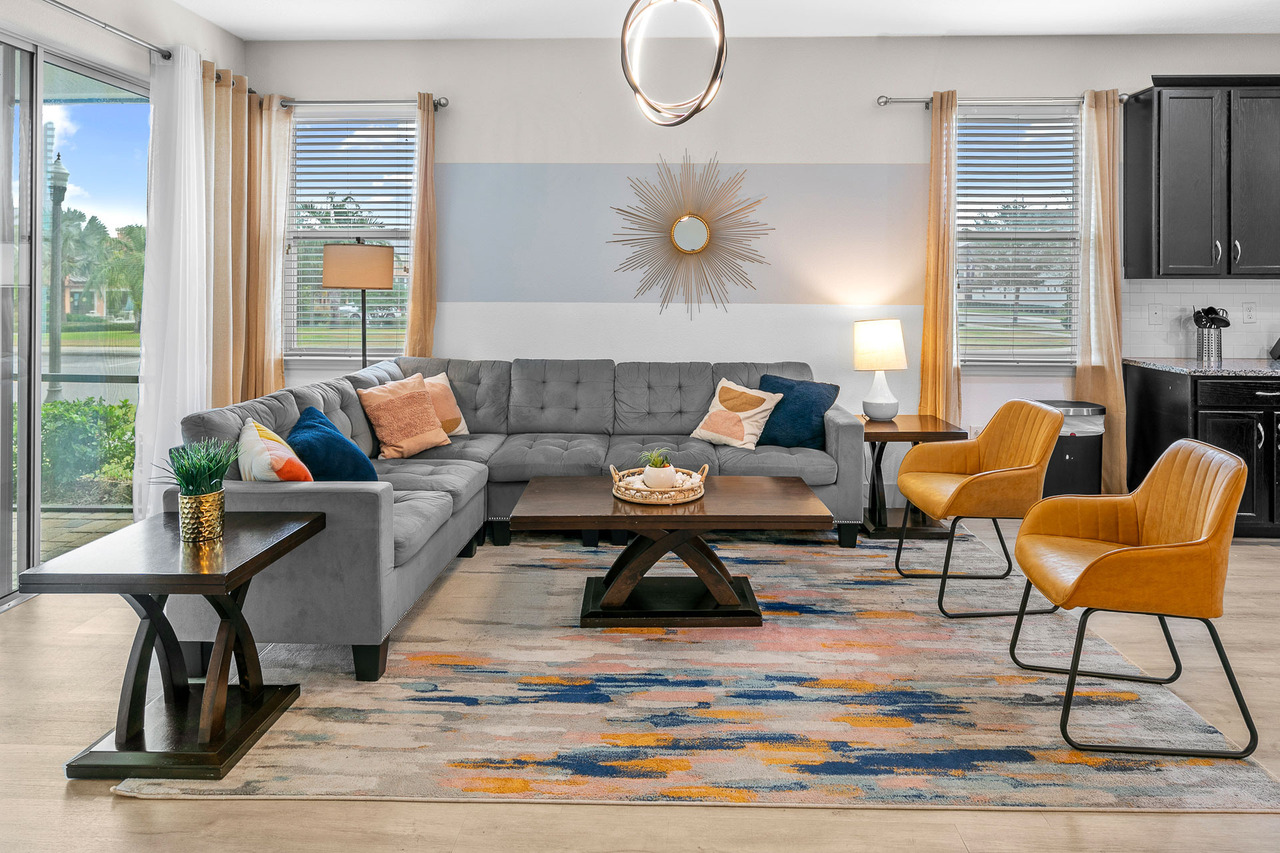 Wide-angle photography is useful when it explains the relationship between spaces. Width should serve the layout—not exaggerate it.
The Realtor Test
Look at the furniture closest to the left and right edges.
Does a chair suddenly look twice as wide?
Does the bed look unusually long?
Does a bathroom look enormous despite knowing it is compact?
Those are warning signs that the lens or framing may be too aggressive.
4. Photographing the House Before the House Is Ready
This is not entirely a photographer problem.
It is often a process problem.
The camera notices what people living in the home stop noticing.
A seller sees the refrigerator every day.
They stop seeing the magnets.
They stop seeing the charger on the counter.
They stop seeing the trash can.
They stop seeing the pool cleaner.
The camera sees all of it.
- Visible cords
- Cleaning products
- Personal photographs
- Refrigerator magnets and papers
- Trash cans
- Wrinkled bedding
- Half-open blinds
- Pool hoses and cleaners
- Excessive countertop objects
- Pet bowls, beds and toys
 Preparation is not about making a room sterile. It is about removing the objects competing with the architecture.
The photographer arrives and the seller is still making beds, removing objects from countertops and moving cleaning products from one room to another.
That creates two problems.
The session slows down—and the photographer is now making staging decisions while also trying to concentrate on photography.
Those should be two different jobs.
5. Photographing Individual Rooms but Never Explaining the House
This is one of the most important mistakes in the entire article.
A gallery can contain twenty individually attractive photographs and still fail to explain the property.
A room-by-room checklist is not enough.
Suppose I photograph the kitchen.
Then the living room.
Then the dining room.
Each one looks good.
But none of those photographs shows that all three spaces are connected.
The potential buyer is forced to assemble the floor plan mentally.
- Show kitchen-to-living relationships
- Show indoor-to-outdoor flow when it matters
- Show dining-to-kitchen relationships
- Use doorways intentionally
- Include connecting angles when spaces function together
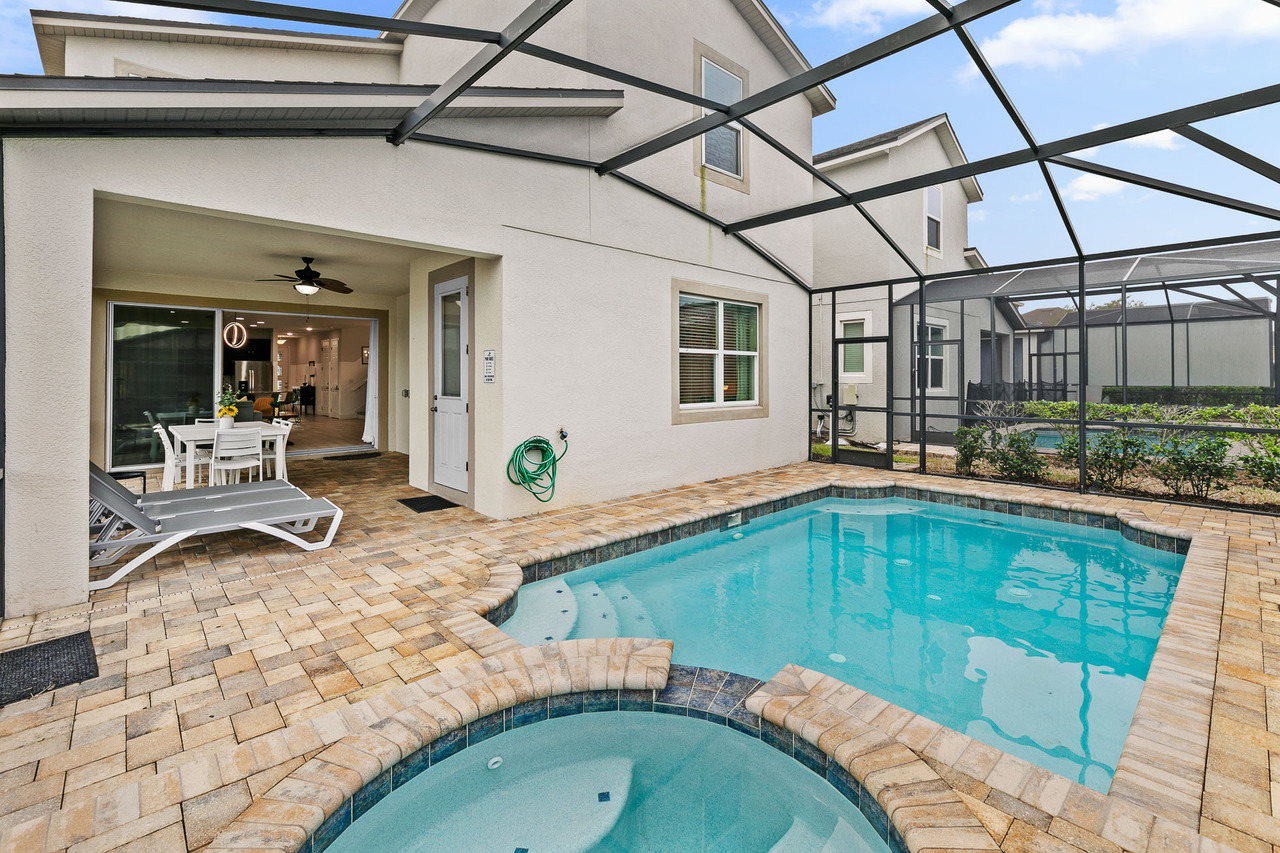 A feature photograph shows the pool. A stronger contextual photograph can also explain how the pool relates to the house and outdoor living area.
If someone had never entered this property, could they build a reasonably accurate mental map from the gallery?
Look for photographs that explain the relationships between important rooms.
Realtors: Look for “Bridge Photos”
I call them bridge photos here because their job is to connect pieces of the property.
Shows whether the spaces are open, separated or partially connected.
Shows how indoor and outdoor living relate to each other.
Can help explain an ensuite layout better than two isolated photographs.
Can explain water, acreage, amenities or location when the relationship matters.
6. Editing Until the Property Stops Looking Real
Real estate photography commonly uses editing to balance exposure, color and perspective.
The question is not whether editing exists.
The question is whether the editing still respects the property.
Polished should not mean artificial.
- Neon-green grass
- Blue skies that do not match the light on the house
- Windows unnaturally dark
- Walls losing their real color
- Strong halos around windows and furniture
- Extreme sharpening
- Overdone clarity and texture
- Removing permanent features buyers would reasonably expect to see
I want the buyer to walk into the property and think:
“Yes. This is the house I saw in the photographs.”
Not:
“Why does everything look completely different?”
Can This Be Fixed in Editing?
This is something Realtors should understand because not every problem belongs to Photoshop.
Minor vertical correction, crop and framing refinement can often be handled during post-production.
Moderate color casts can often be corrected. Extreme mixed lighting may be much harder to repair naturally.
Moving a trash can before the photograph is much better than relying on digital removal afterward.
A badly positioned chair or crooked rug should normally be corrected physically before shooting.
An edit cannot supply a verified view of a room connection that was never captured. If that relationship matters, photograph it rather than inventing missing geometry.
If the gallery missed the property's strongest feature entirely, editing will not solve the strategic problem.
The cheapest correction is often the one made before the shutter is pressed.
7. Treating Gallery Order as an Afterthought
This mistake happens after the photographs are already finished.
A good gallery can still be presented badly.
The first photographs should not be random.
Imagine opening a listing and seeing:
Laundry room.
Secondary bathroom.
Garage.
Bedroom.
Exterior detail.
Kitchen.
Another bedroom.
Pool.
Every photograph could be technically excellent.
The experience would still feel disorganized.
- Start with the strongest useful images
- Establish the main living areas early
- Group related spaces logically
- Avoid repetitive angles beside one another
- Move practical secondary spaces later
- Place amenities where they support the story
How I Would Review a Listing Gallery Before It Goes Live
Realtor Quality-Control Checklist
You do not need to pixel-peep every photograph.
Do one normal-speed pass through the gallery and ask:
- Does the first image make sense as an opening image?
- Can I understand the primary living spaces quickly?
- Are the important vertical lines reasonably straight?
- Does any room look obviously stretched?
- Do wall and cabinet colors remain reasonably consistent?
- Are major seller distractions visible?
- Do I understand how the important rooms connect?
- Is the strongest feature getting enough visual attention?
- Are there five nearly identical photographs of the same room?
- Is a meaningful part of the property missing?
- Does the editing feel believable?
- Would I be comfortable showing this gallery to another seller as an example of my marketing?
That final question is important.
A Listing Photo Is Also Part of the Realtor's Portfolio
Once the listing is sold or withdrawn, the photographs do not necessarily stop working.
Potential sellers may still see them on your Instagram.
They may see them on your website.
They may see a previous listing during a listing presentation.
They may scroll through your profile before deciding whether to call you.
Before the Photographer Arrives: What the Realtor Should Communicate
A Better Pre-Shoot Brief
A short briefing can prevent important images from being missed.
- Which feature is most important to the seller?
- What made the current owner buy the property?
- Is there a feature that is difficult to notice during a normal walkthrough?
- Does the property have a meaningful view?
- Does the backyard connect particularly well to the main living area?
- Is there waterfront, acreage or community context worth showing?
- Are there major renovations that deserve attention?
- Are there spaces the seller specifically wants documented?
- Will the content also be used for Instagram or paid marketing?
- Are drone, Reel, floor plan or 3D assets part of the strategy?
That information does not mean the Realtor needs to direct every photograph.
It means the photographer understands what matters before the session is over.
Have a Listing Coming Up in Orlando or Central Florida?
Bring me the property, the target buyer and the story you need the media to show.
Before the session, we can identify the strongest feature, the important relationships between spaces and whether photography, drone, Reel, video, floor plan or 3D actually adds something useful to the listing.
Plan Media for My Next Listing →Not Every Problem Is a Photography Problem
This distinction matters when reviewing a gallery.
The camera position or correction is creating distorted architecture.
The house was not sufficiently prepared before photography.
The strongest feature exists but is buried deep in the gallery.
Knowing which type of problem you have makes the correction much easier.
What About Drone Photography?
Drone has its own version of several mistakes in this article.
Too high.
Too generic.
No relationship.
No context.
Or simply added because “premium listings should have drone.”
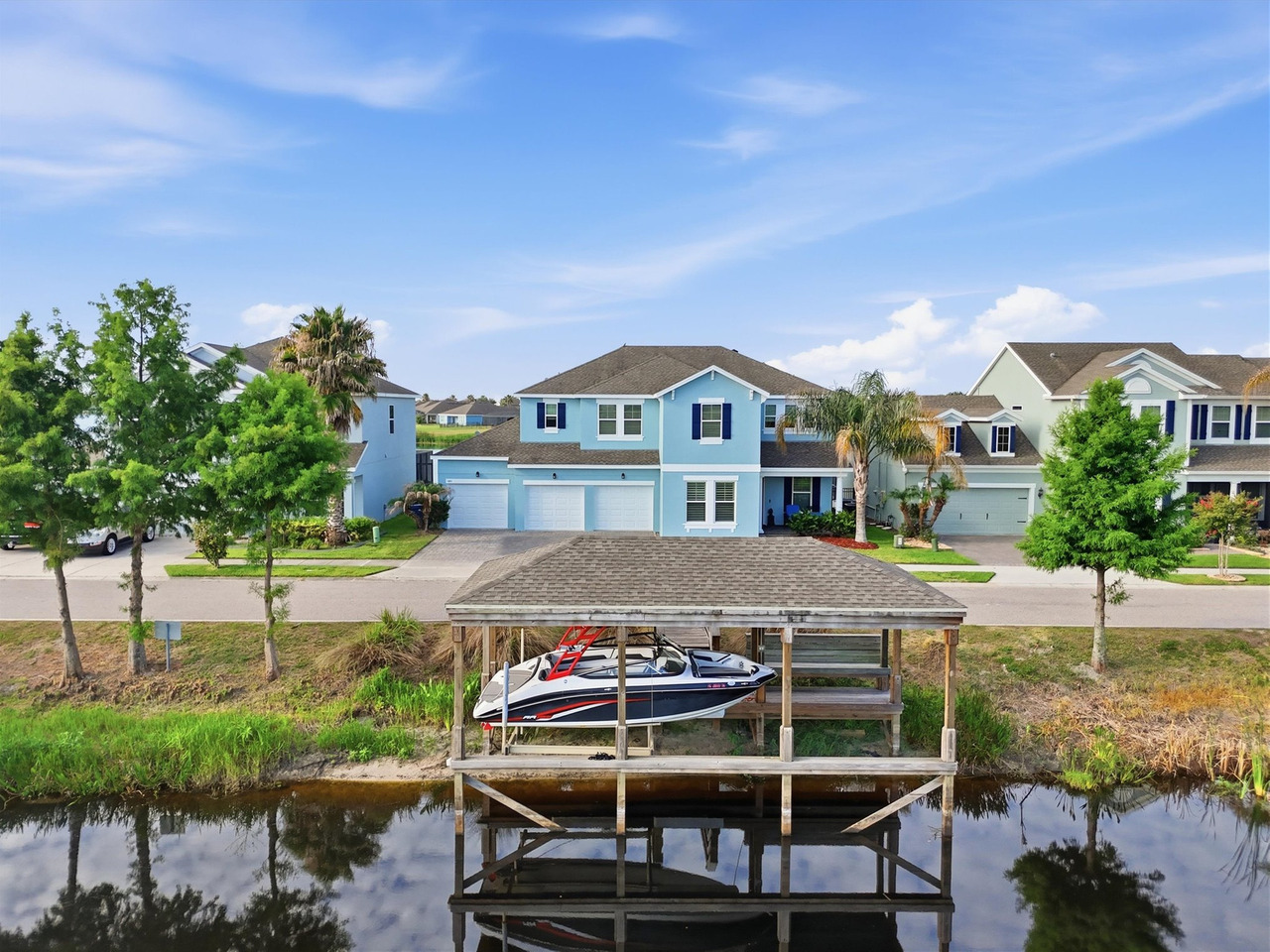 This aerial image works because it explains a relationship—the home, waterfront, dock and boat—rather than simply showing the roof from high altitude.
That Groveland project is a good example.
The important aerial image was not valuable because the drone was high.
It was valuable because the client wanted the property and boat understood in the same frame.
Ground-level photography could not show that relationship as clearly.
More Photos Are Not Automatically Better Photos
Another mistake is judging a gallery almost entirely by photo count.
Twenty-five useful photographs can sometimes communicate a home better than forty-five repetitive photographs.
Each photograph explains another room, relationship, feature or meaningful perspective.
Several tiny variations of the same corner add volume without adding understanding.
The Five-Second Realtor Test
Here is an extremely simple exercise.
Open your listing gallery on your phone.
Scroll through it at approximately the speed a normal person might.
Do not analyze each photograph.
Just notice the feeling.
Ask Yourself:
- Does the house feel visually consistent?
- Do any rooms suddenly look distorted?
- Does the gallery flow logically?
- Do I see the strongest feature quickly?
- Does the property feel easy to understand?
- Is anything obviously distracting me?
- Do the images look like they belong to the same house?
You can catch a surprising number of problems without knowing anything about camera settings.
What Professional Photography Should Not Try to Do
I do not think professional photography should make the property look dramatically different from reality.
It should make the property easier to see.
Good composition reduces visual noise.
Good lighting reveals architecture.
Good color communicates materials.
Good lens choice explains space.
Good sequencing helps the buyer understand the property.
That is different from exaggerating it.
The Mistake I Would Avoid Most as a Realtor
It is not crooked walls.
It is not mixed bulbs.
It is not even clutter.
Those can often be spotted quickly.
The bigger mistake is treating photography as something that happens after the marketing strategy has already been decided.
Before the shoot, decide what matters.
During the shoot, capture it.
After the shoot, make sure the gallery actually communicates it.
That simple sequence is more useful than trying to fix everything at the end.
Turn a visible problem into a specific correction
A review is useful when it identifies both the issue and the next action. Separate a file correction from missing coverage and from a decision about the gallery sequence.
File correction
Name the image and the visible problem: a leaning door frame, inconsistent cabinet color or distracting crop. Ask the photographer whether it can be corrected while keeping the property accurate.
Missing coverage
Identify the question no delivered image answers. If the kitchen-to-patio connection was never photographed, another crop will not create it. Agree on the missing view before arranging additional coverage.
Sequence decision
If two early photographs repeat the same information, compare them and move one later. Check the destination’s first-image requirements before changing the opening image.
Hypothetical correction request: “Image 08: the right-hand door frame appears to lean. Image 12: the cabinets look warmer than in 08, although they are the same cabinets. Please review perspective and color consistency. We also need a view showing the living room’s connection to the patio; I cannot find one in the delivered gallery.”
This is an example of a clear request, not a report about a Magic Lens client. Confirm the scope of any extra work before scheduling it, and use the photo-day preparation checklist to resolve physical distractions before a new session.
Frequently Asked Questions
What is the most common real estate photography mistake?
There is no single mistake on every property. The issues I repeatedly see include mixed lighting, uncontrolled perspective, extreme wide-angle distortion, poor preparation, missing spatial relationships and weak gallery sequencing.
How can Realtors tell whether real estate photos are too wide?
Look at furniture and architecture near the edges of the frame. If beds, chairs, islands or doors become unusually stretched, the lens or composition may be exaggerating the room.
Should vertical lines be straight in real estate photography?
In standard listing and architectural photography, important walls, doors, cabinets and columns should generally feel controlled rather than visibly falling inward or outward.
Should every light be turned on?
Not automatically. Different fixtures may have different color temperatures. The goal is a clean and believable result, not simply the maximum number of lights turned on.
Can clutter be removed in Photoshop?
Some objects can be removed digitally, but preparation before photography is usually faster, cleaner and more reliable. Moving an unnecessary object on location is preferable to building the workflow around removing it later.
Can Photoshop fix a missing photograph?
No. If the gallery never captured the relationship between important spaces or missed a major feature, the real solution may be another photograph—not more editing.
Is HDR bad for real estate photography?
No. Exposure blending is useful when interior and exterior brightness differ significantly. Problems arise when processing becomes so aggressive that the photograph looks unnatural.
Does the order of listing photos matter?
Yes. Gallery order helps establish visual hierarchy. Strong primary spaces should usually appear early, while secondary utility spaces can appear later.
Should every listing use drone photography?
No. Drone is most useful when it explains something ground photography cannot show as clearly, such as waterfront relationships, acreage, amenities, community context or location.
Can professional photography guarantee that a property sells faster?
No. Photography affects presentation, but pricing, location, property condition, inventory, buyer demand and the broader marketing strategy also affect the outcome.
How should Realtors review a photography gallery?
Start with a normal-speed pass rather than zooming into individual pixels. Check visual consistency, room relationships, perspective, color, distortions, missing spaces, repetitive images and whether the property's strongest features receive enough attention.
Plan the Listing Before We Photograph It.
Professional real estate media works better when we know what the property needs buyers to understand before the camera comes out.
Bring me the listing, the target buyer and the strongest part of the story. We can decide what photography needs to explain—and whether drone, Reel, video, 3D or a floor plan adds useful information.
Magic Lens provides professional real estate photography and media throughout Orlando and Central Florida.

Gustavo Sousa
Gustavo Sousa is a professional real estate photographer, videographer and FAA Part 107 Certified Remote Pilot based in Winter Garden, Florida.
A professional photographer since 2012, he works with Realtors, residential listings, vacation homes, builders and real estate projects throughout Orlando and Central Florida.