

This project did not begin with a referral.
It began with a Google search.
Maria Barrios was preparing a listing in Watermark, Winter Garden, and found Magic Lens while looking online for a real estate media provider.
Google created the introduction.
But appearing in search results was only the first step.
The rest of this project became a sequence: the client found the business, reviewed the work, discussed what the property needed, booked the project, received the media and then chose to recommend the experience publicly.
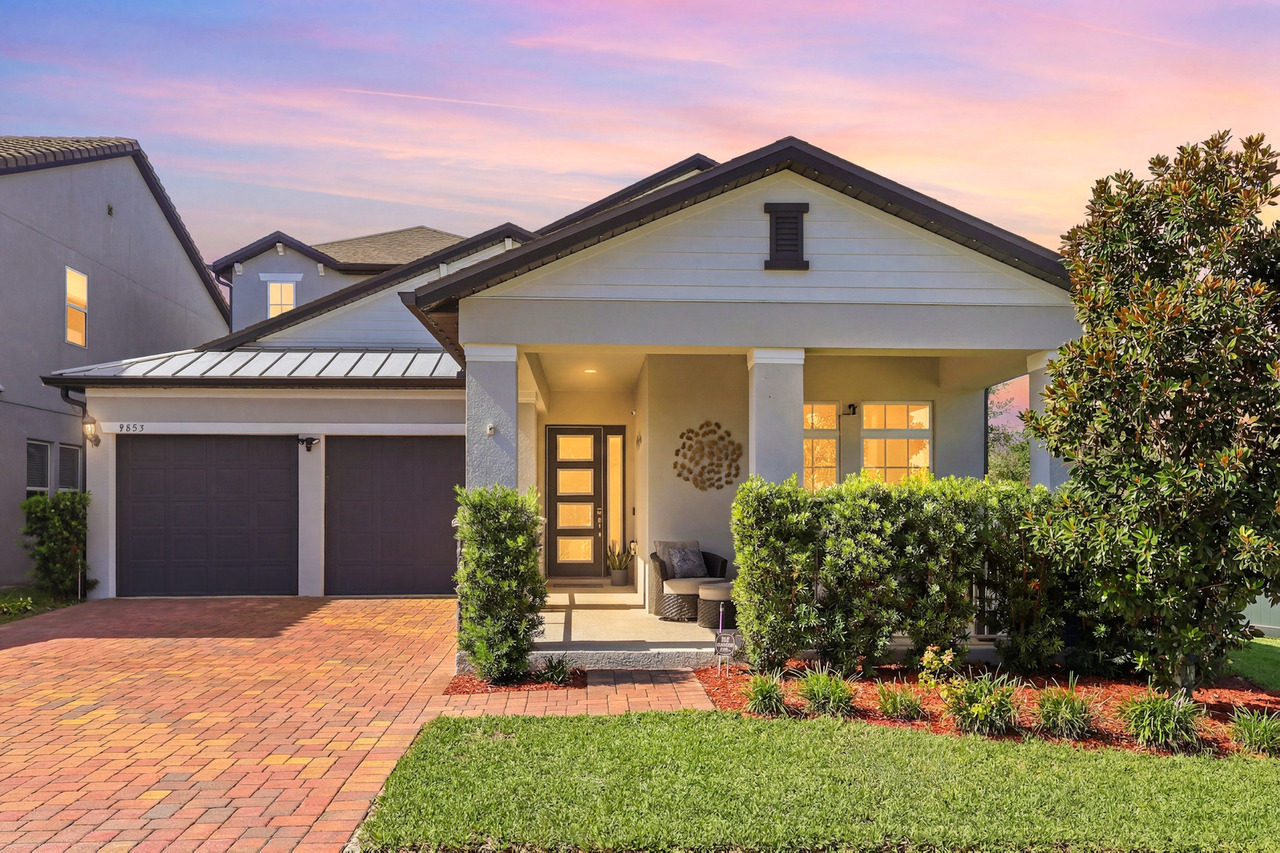 9953 Summerlake Groves St in Watermark, Winter Garden. The project eventually included photography, drone, amenities, virtual twilight, 3D, floor plan and social video—but the media plan started with the property, not the package menu.
She Found Magic Lens Before She Met Me
Maria did not arrive through an existing relationship.
She found Magic Lens through Google while researching real estate media for her upcoming listing.
That distinction matters to me because a Google result can only create an opportunity.
The client still has to decide whether the business behind that result looks capable of handling the project.
The client finds Magic Lens through Google.
She reviews the work and available services.
We determine what the listing actually needs.
The complete property and community are captured.
Delivery leads to a public client recommendation.
Search visibility opened the door.
The portfolio, communication, production and delivery experience had to do the rest.
The Property: 9953 Summerlake Groves St
The home is located inside Watermark in Winter Garden, Florida.
It is a large two-story single-family home with multiple living areas, a spacious kitchen, primary suite and several features that needed enough coverage to make the gallery useful without becoming repetitive.
But once I looked at the project as a marketing problem, another point became obvious.
The House Was Only Half of the Visual Story
If I photographed only the rooms, the listing would show the physical property.
It would not explain much about what living in Watermark adds to the experience.
That is why the community received its own photography coverage instead of becoming an afterthought.
Architecture, rooms, finishes, scale, flow and primary living spaces.
Pool, recreation, shared spaces and the amenities available around the property.
Aerial views that connect amenities, neighborhood layout and surrounding environment.
This does not mean every subdivision needs dozens of amenity photos.
For this particular listing, the amenities were significant enough that leaving them out would have left an important part of the property context unexplained.
One Project, Different Jobs
The final delivery was large, but volume was not the objective.
Each part of the package needed to answer a different question.
Confirmed Project Deliverables
- 55 interior and exterior photographs
- 16 drone photographs
- 24 community amenity photographs
- 2 virtual twilight images
- 1 social media video
- Zillow 3D Tour
- Floor plan
- Private online gallery
- Next-day delivery for this project; timing for new work depends on the agreed scope and schedule.
The Interior Gallery Still Had to Carry the Property
Even with drone, amenities, video and 3D, photography remained the foundation.
The additional services could not compensate for a weak interior gallery.
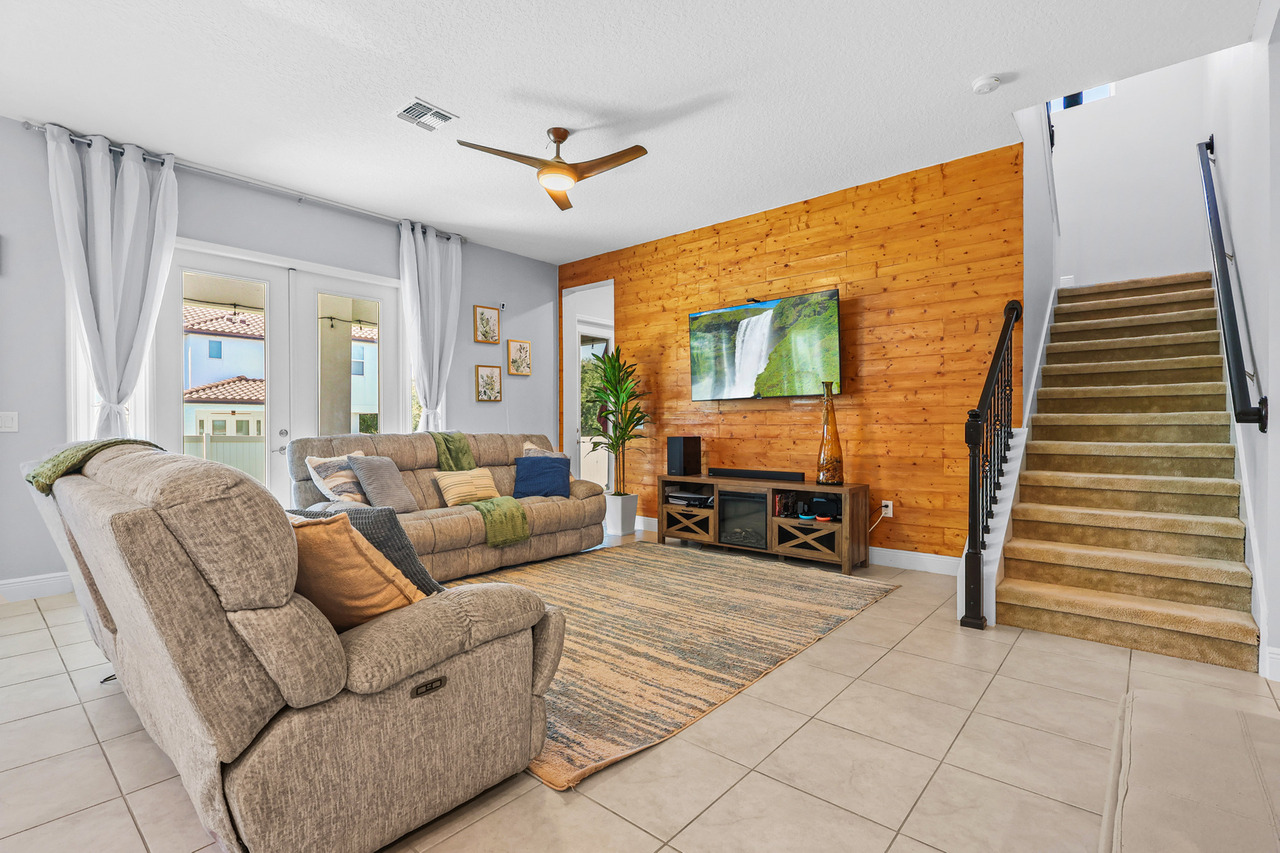 The living room had a distinctive wood accent wall, but the photograph also needed to show the relationship between the seating area, staircase, natural light and adjacent spaces.
One thing I try to avoid is photographing every attractive feature as an isolated object.
A room can be visually appealing and still fail to help the buyer understand the home.
When I photograph a larger home, I am constantly deciding when a frame should focus on the room itself and when it should function as a bridge to another space.
The gallery needs individual hero images, but it also needs enough connective photographs for someone looking online to mentally reconstruct the property.
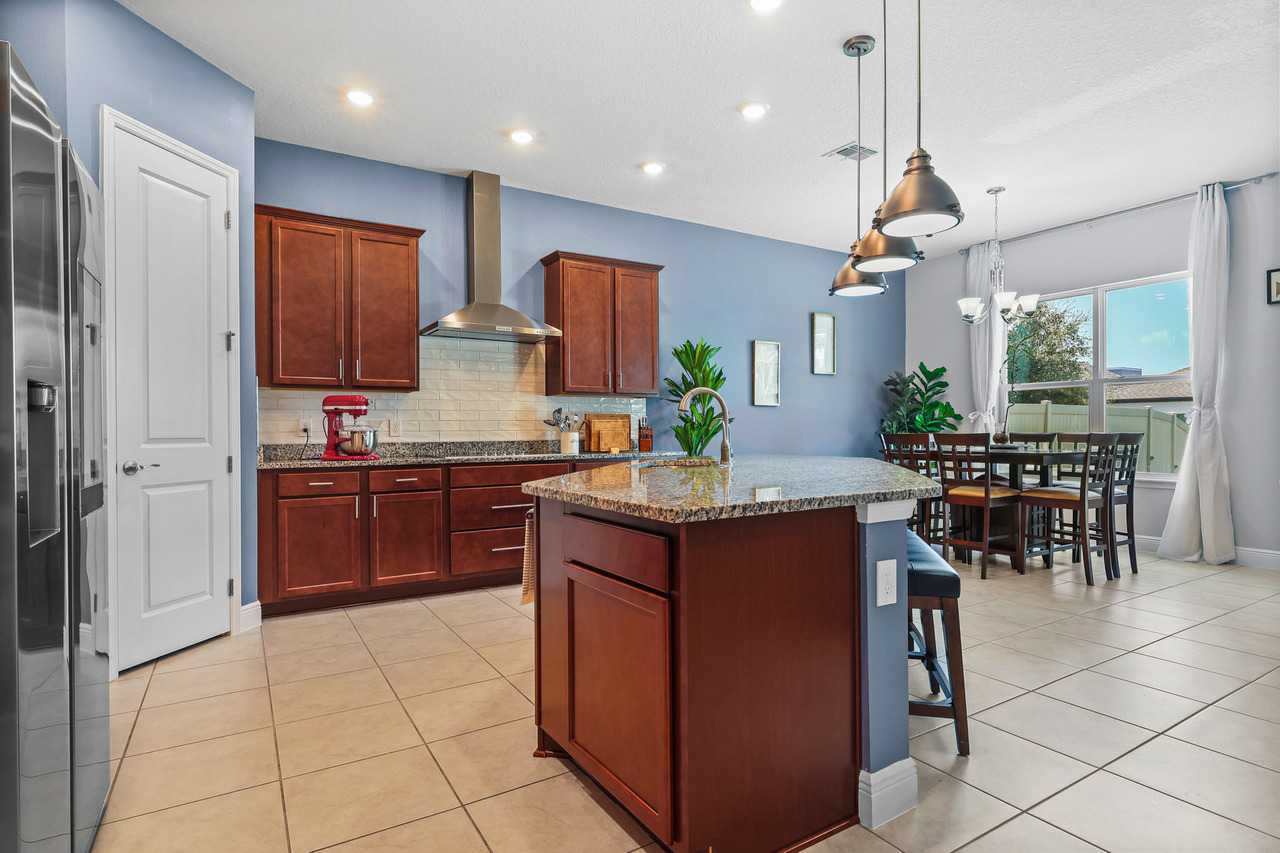 Kitchen as a Feature
One frame can focus attention on the island, finishes and core kitchen area.
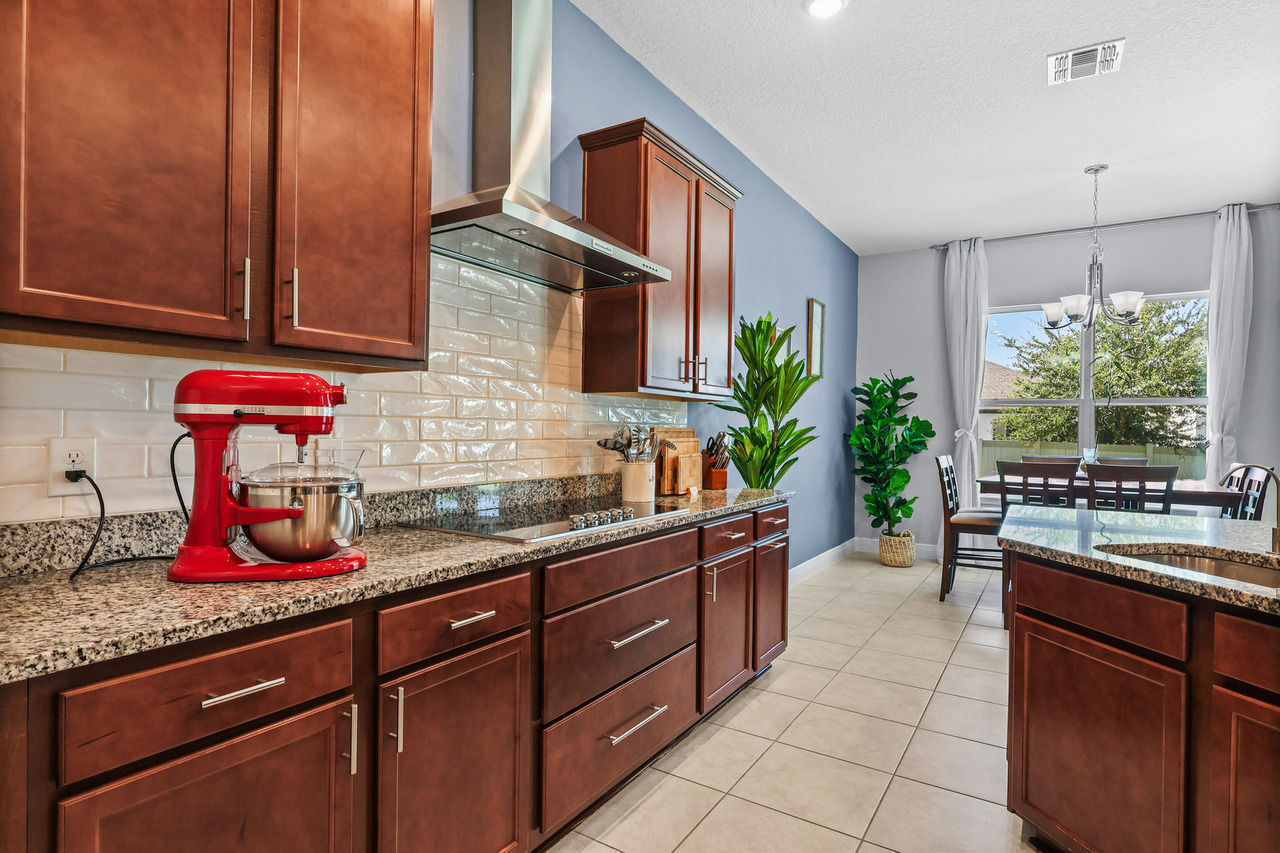 Kitchen as Part of the Layout
A different composition becomes useful when it explains how the kitchen connects to the surrounding living environment.
The Amenities Deserved Their Own Coverage
The Watermark portion of the assignment included multiple community areas.
Instead of treating those photographs as miscellaneous extras at the end of the session, they became a second organized part of the shoot.
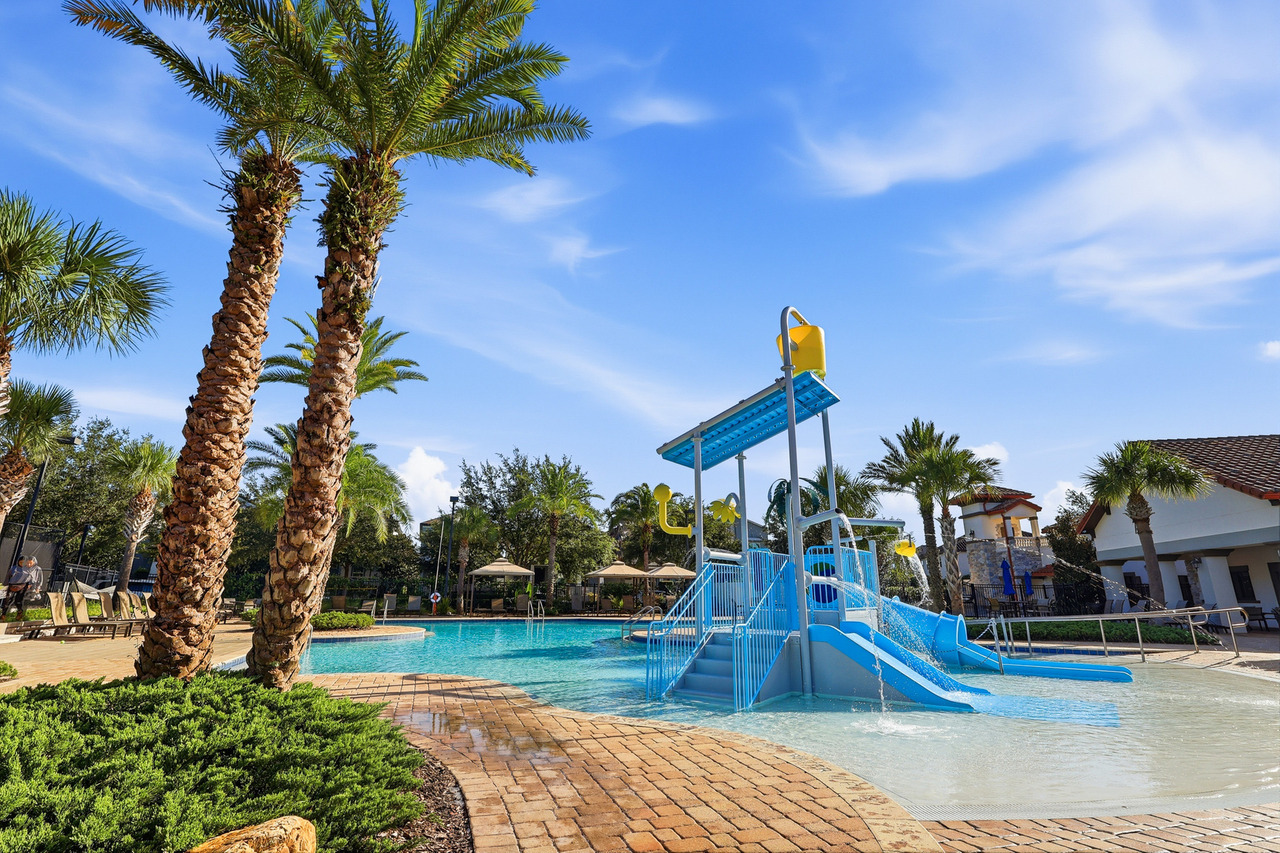 Amenity photography makes sense when the community itself contributes meaningful information a buyer cannot see from interior photographs of the home.
The purpose was not to suggest that an amenity automatically increases value or guarantees buyer interest.
Show the surrounding environment clearly, while keeping amenity access and listing claims subject to verification by the agent.
The Most Useful Aerial Was Not Just a Picture of the Roof
Drone photography becomes most useful to me when it explains relationships.
That was especially true with the community coverage.
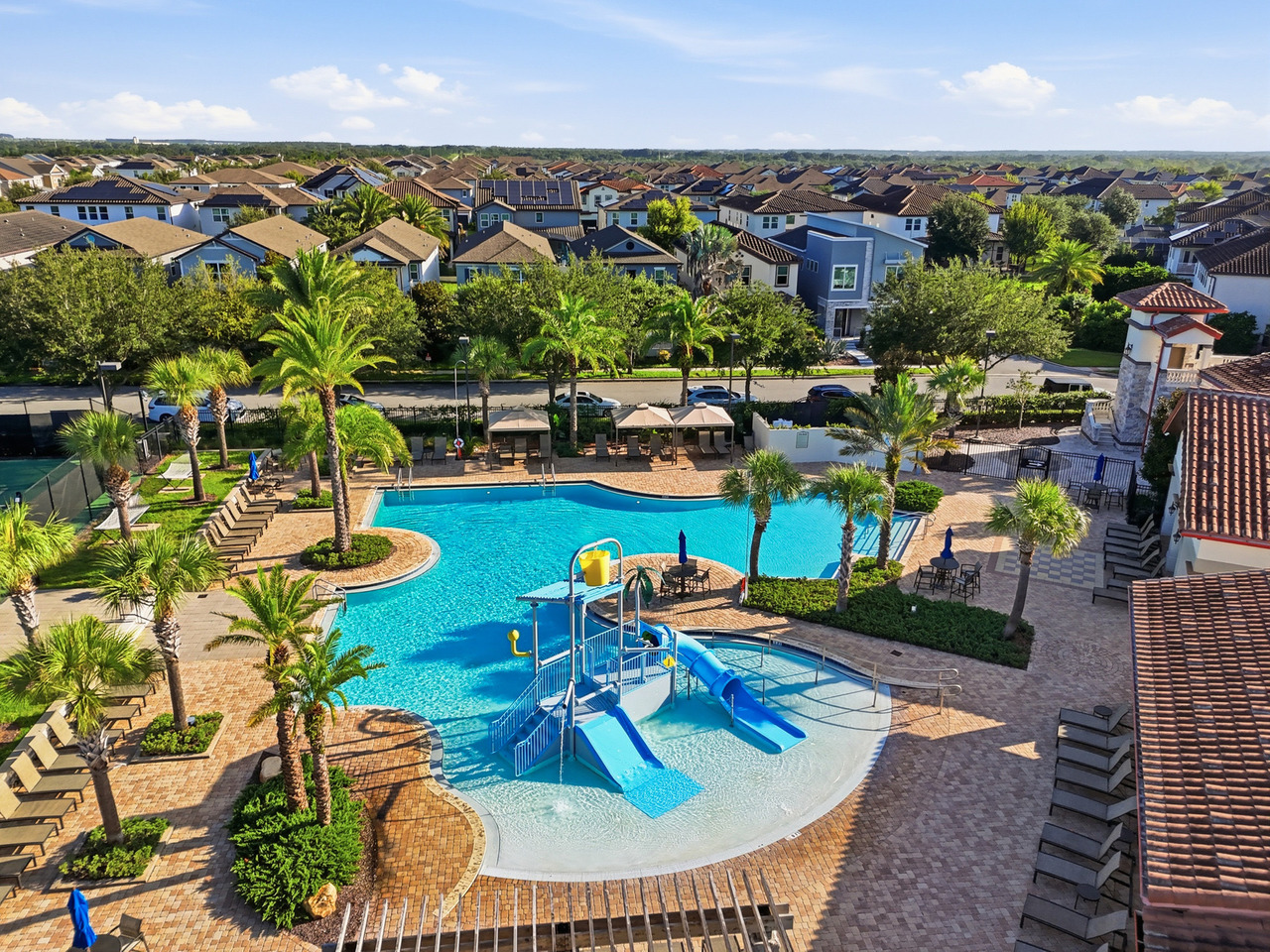 From the ground, the viewer can see the pool. From the air, the viewer can understand how the pool, clubhouse, recreation areas, green space and neighborhood sit together.
The Social Video Had a Different Job Again
The still gallery was built for deliberate viewing.
The social video needed a faster visual route through the property.
This is why I do not consider a Reel or short social video a smaller version of a full property gallery.
Different platform. Different pace. Different job.
The Project Took Approximately Four Hours on Location
That detail is worth including because finished media makes complicated production look easy.
The session included the house, drone coverage, multiple amenity locations, 3D capture, floor plan capture and video.
Those tasks were completed during the same project, but they could not all be photographed at the same pace.
A complete package does not save time by rushing every asset.
It saves friction by coordinating the work as one production.
The home had to remain visually consistent while I switched between still photography, video, aerial coverage and spatial capture.
Then the community coverage required moving beyond the property itself.
That is why a project like this is fundamentally different from simply counting how many photographs a package contains.
Delivery Was Part of the Client Experience
The finished package was delivered the next day.
I mention turnaround here for a specific reason.
Fast delivery matters only when the work is actually ready.
A Realtor does not benefit from receiving files quickly if the gallery still requires corrections, the assets are disorganized or part of the package is missing.
The Result We Can Actually Prove
When this case study was originally prepared, there was no completed market result that justified saying the media caused the property to sell faster or for more money.
So I am not going to create that conclusion.
The immediate result we can verify is the client experience.
Maria Barrios · 5-Star Google Review
In her review, Maria Barrios highlighted the photographs, professionalism, dedication, turnaround and overall experience. This is a paraphrase of her feedback, not a guarantee for every project.
She also recommended Magic Lens to other real estate professionals and people looking for a real estate photographer.
A search result introduced the business.
The portfolio and communication helped the client make a decision.
The production created the assets.
The delivery completed the experience.
Then the client chose to describe that experience publicly.
What Realtors Can Take From This Project
Being visible online creates an opportunity. The work and process still have to justify the client's decision.
For this listing, photographing only the house would have omitted meaningful community context.
Photography, drone, amenities, video, 3D and floor plan should contribute different information.
The client experiences the scheduling, communication, on-site execution and delivery—not only the final JPEGs.
A satisfied client and a public recommendation are meaningful outcomes without claiming the media caused a sale.
A completed project can later help another seller understand how the Realtor approaches property marketing.
Frequently Asked Questions
Does every Winter Garden listing need a package this large?
No. This package made sense because the project included a large home, important community amenities and several different ways the property needed to be communicated. Smaller or simpler listings may need far less.
Why photograph community amenities separately?
Amenity photography is useful when the community adds meaningful information to the listing. In this project, Watermark's recreation and shared spaces were part of the environment buyers would be evaluating.
Why use both drone photography and amenity photography?
Ground-level amenity photos show individual spaces. Aerial photographs can explain how those spaces relate to the neighborhood and surrounding environment.
Why include both a 3D tour and a floor plan?
The 3D tour allows self-guided visual exploration, while the floor plan simplifies the home into spatial relationships. They answer different questions.
Did the professional media cause the home to sell?
That is not a claim this case study makes. Real estate outcomes depend on many variables outside photography. The confirmed result documented here is the completed media delivery and the client's public 5-star review.
How long did this project take?
The complete on-site production took approximately four hours because the assignment included the property, drone coverage, community amenities, video, 3D and floor plan capture.
The Media Package Should Fit the Property.
If you are preparing a listing in Winter Garden, Horizon West, Windermere, Orlando or Central Florida, send me the property before deciding what media to order.
We can identify what buyers need to understand and build the coverage around that—rather than adding services simply to make the package larger.

Gustavo Sousa
Gustavo Sousa is a professional real estate photographer, videographer and FAA Part 107 Certified Remote Pilot based in Winter Garden, Florida.
A professional photographer since 2012, he works with Realtors, residential listings, vacation homes, builders and real estate projects throughout Orlando and Central Florida.